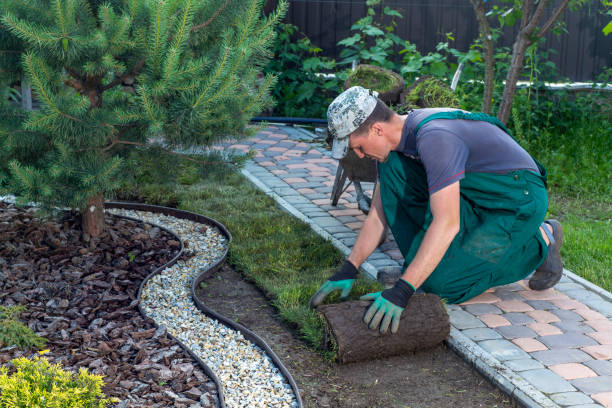
Gardening is both an art and a science, often requiring patience, planning, and perseverance. For many homeowners, the joy of cultivating their outdoor spaces is accompanied by challenges that can lead to frustration. Understanding common pitfalls can help you avoid setbacks and cultivate a thriving garden. Here are five mistakes that frequently hinder gardening efforts and how to navigate around them.
Neglecting Soil Health
One of the most critical yet overlooked aspects of gardening is soil health. experienced landscaping company Many homeowners assume that if they add some fertilizer or plant in existing soil, they will achieve success. However, healthy plants begin with healthy soil. Soil serves as the foundation for your garden; it provides essential nutrients, water retention capabilities, and a habitat for beneficial organisms.
Before planting, conduct a soil test to determine its pH level and nutrient content. This simple process can reveal deficiencies or toxicities that could affect plant growth. For instance, if your soil is too acidic or alkaline, certain plants may struggle to thrive. Amending the soil based on test results can make a significant difference; adding organic matter such as compost improves aeration and provides nutrients over time.
Another common mistake related to soil health is over-tilling or compacting the soil. While tilling can help with aeration initially, excessive disruption of soil structure leads to compaction. This makes it difficult for roots to grow deeply and access vital resources. Instead of frequent tilling, consider using mulching techniques or cover crops that naturally enrich and protect your soil.
Choosing the Wrong Plants
Selecting plants suitable for your specific environment is essential for successful gardening. Homeowners often gravitate towards visually appealing plants without considering their compatibility with local climate conditions or microenvironments in their yards. For example, planting tropical species in cooler climates may result in stunted growth or complete failure.
To avoid this mistake, familiarize yourself with native plants that thrive in your area. Native species have adapted to local weather patterns, pests, and diseases over centuries, making them more resilient than non-native varieties. Utilizing native plants not only supports local ecosystems but also requires less maintenance once established.
Moreover, pay attention to factors such as sunlight exposure and moisture levels in different parts of your yard when choosing plants. Some areas may receive full sun while others are shaded throughout the day; matching plants with these conditions ensures better performance.
Overwatering or Underwatering
Water management is another area where many homeowners falter. Both overwatering and underwatering can lead to problems such as root rot or drought stress respectively. New gardeners often tend toward the safe side by watering frequently without assessing moisture needs based on plant type or current weather conditions.
To establish an effective watering routine, observe your plants regularly for signs of distress—yellow leaves may indicate overwatering while wilting suggests dehydration. Using mulch can help retain moisture in the soil while reducing evaporation rates during hot months.
Investing in drip irrigation systems or soaker hoses can also provide consistent watering directly at the root level while minimizing water waste associated with overhead sprinklers. These systems allow you to set schedules based on seasonal requirements and drastically reduce manual labor involved in maintaining proper hydration levels across your garden.
Ignoring Pest Management
Pest problems can quickly escalate if left unaddressed; however, many homeowners either overlook early signs of trouble or resort to chemical pesticides without understanding their implications on beneficial insects and overall ecosystem health.
Integrated Pest Management (IPM) offers a balanced approach by combining multiple strategies for pest control rather than relying solely on chemicals. Start by regularly inspecting your garden for signs of infestation—disease spots on leaves or visible bugs—and learn about natural predators that can help manage pest populations effectively.
Encouraging biodiversity within your garden contributes significantly towards reducing pest issues organically. Planting companion flowers not only beautifies your space but attracts pollinators like bees while repelling harmful insects like aphids.
Failing to Plan for Seasonal Changes
Many gardening enthusiasts find themselves overwhelmed when seasons shift because they have not planned adequately for seasonal changes affecting their gardens' performance throughout the year. Seasonal shifts bring variations not just in temperature but also light availability which directly impacts plant growth cycles.
Implementing a seasonal planting schedule allows you to take advantage of each season’s unique characteristics—plant cool-weather crops like kale during fall as you prepare warm-weather favorites like tomatoes come springtime! Additionally preparing winter gardens through row covers helps protect delicate seedlings from frost damage ensuring ongoing productivity even during colder months.
By recognizing these five common mistakes—neglecting soil health; choosing incorrect plants; mismanaging water; ignoring pests; failing to plan ahead—you’ll be well-equipped to nurture a flourishing garden space tailored specifically for your home environment! Remember: great gardeners learn from experience both successes AND failures so don’t hesitate to experiment along the way!